
We connect and nurture housing system changemakers to do collaborative work that transforms California’s neighborhoods into affordable, equitable, and healthy spaces.
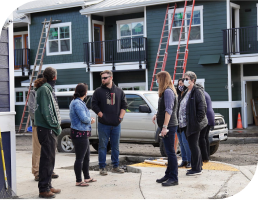
The Small Development Incubator supports small-scale residential infill developers and builders with training, resources, and connections to bring more equitable, nature-friendly, community-rooted housing development to life within neighborhoods.
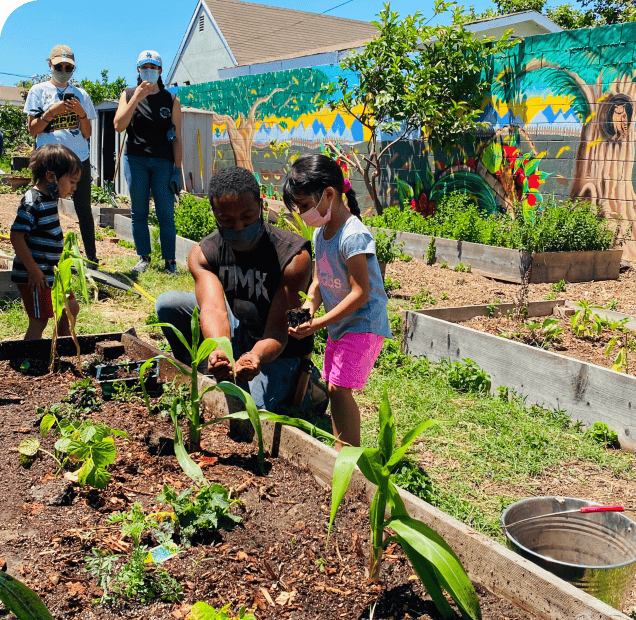
The Regenerative Neighborhoods Initiative brings together place-centered leaders, residents, public officials, and others to co-create aspirations for neighborhoods that repair harms and support the vitality of people and the planet.
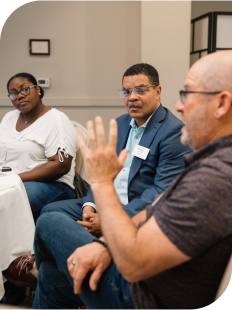
The Builder and Developer Affinity Group is a space for established developers, builders, and designers to establish new perspectives and thinking skills, learn from each other, and address challenges enabling them to better serve people and nature and to become stronger practitioners.
We create the conditions to think and work holistically across the housing system — grounding all work in regenerative development practices — so that together we can create a California where all communities are places where people and the environment thrive together.
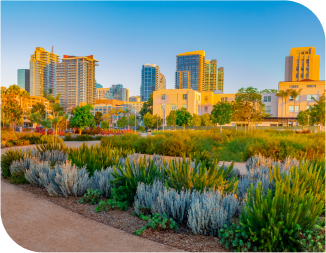
We help small-scale residential builders access the training, connections, and resources they need to deliver affordable, nature-friendly homes that align with the hearts and souls of neighborhoods.
We enable neighbor leaders, residents, city officials and others to see their neighborhood’s potential and to synergistically address interwoven social, economic, and environmental systems work together.
We connect established builders, developers, and architects to develop perspectives, mindsets, and skills and become nurturers of people, places, and nature as well as more effective practitioners.
We help small-scale residential builders access the training, connections, and resources they need to deliver affordable, nature-friendly homes that align with the hearts and souls of neighborhoods.
We enable neighbor leaders, residents, city officials and others to see their neighborhood’s potential and to synergistically address interwoven social, economic, and environmental systems work together.
We connect established builders, developers, and architects to develop perspectives, mindsets, and skills and become nurturers of people, places, and nature as well as more effective practitioners.

Your support fuels our work and allows us to better support regenerative communities throughout California. Help transform the housing ecosystem by donating or become a Founding Sponsor of BIG’s new era.
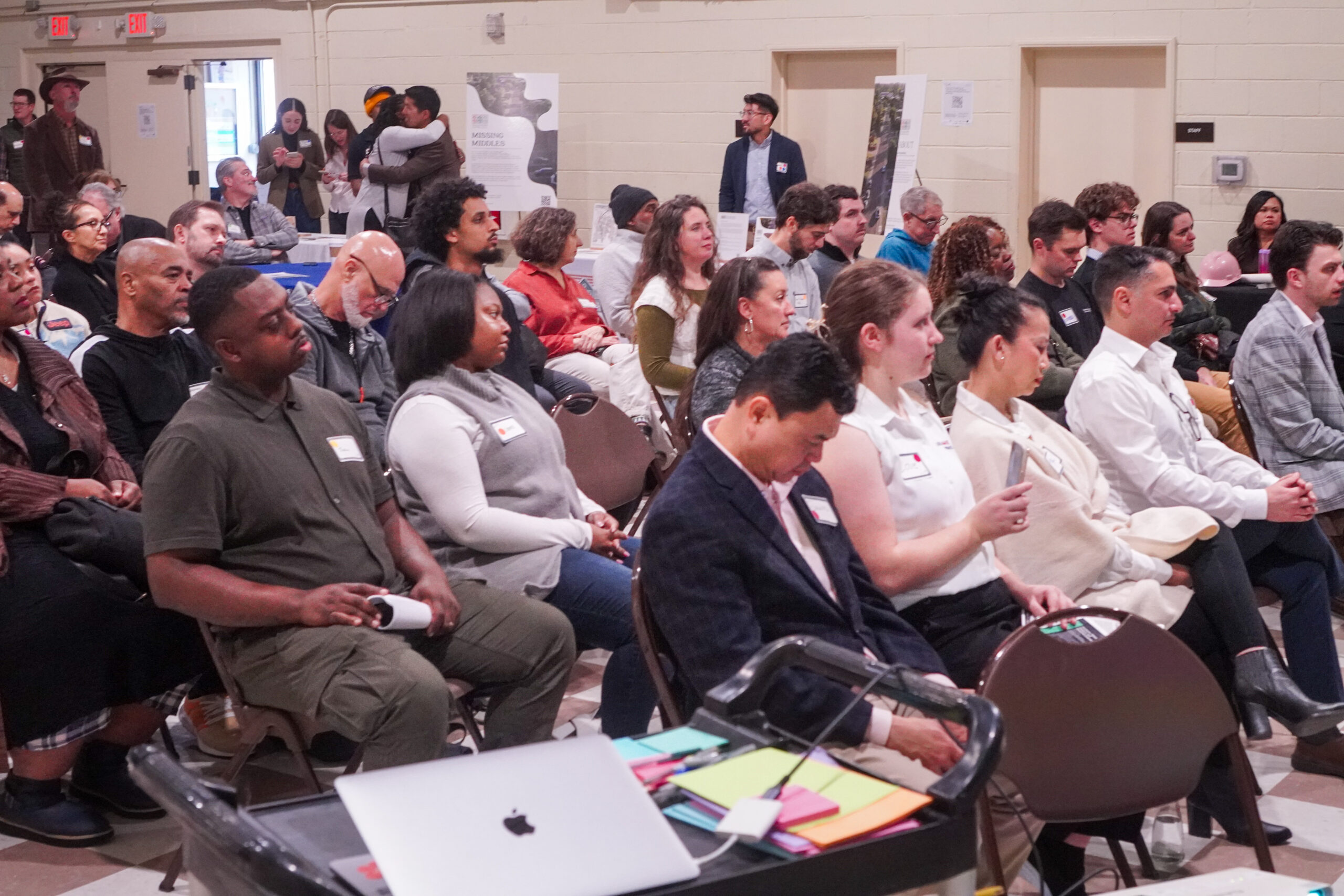
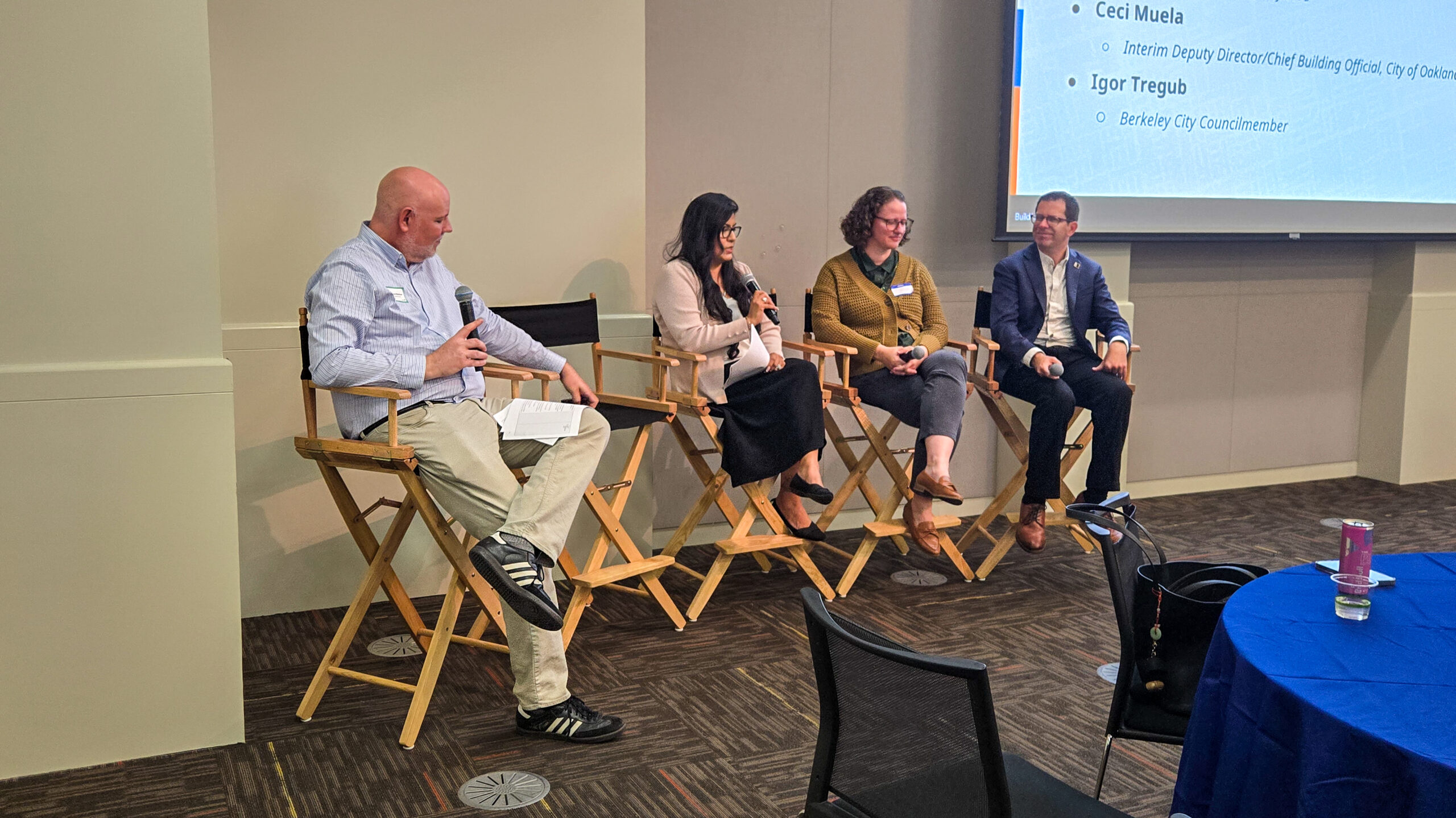
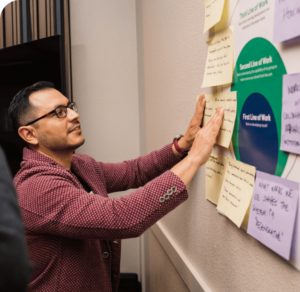
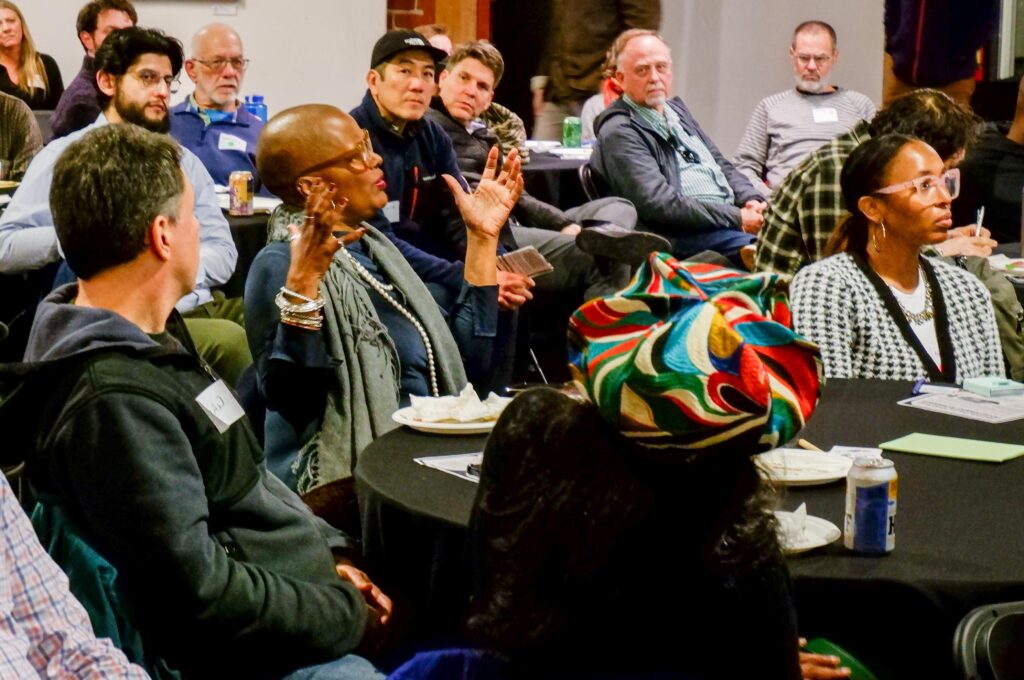
At Dream BIG, Build Small: A Showcase for Small-Scale Developers and Builders, participants discussed what it actually takes to deliver small-scale housing projects (10 units or less per project). The conversation focused on practical realities such as relationships, feasibility, and the importance of working within communities rather than around them.
What happens when a network built around systems change pauses to reflect on its own evolution? The conversation revealed that regeneration isn’t a framework to adopt — it’s a way of being together.
Small-scale development is often discussed in technical terms: zoning reforms, financing hurdles, permitting processes. But what came alive in our recent convening was something deeper. Small-scale development, when done well, is not just about adding units. It is about building neighborhood vitality, creating pathways for wealth-building for economically marginalized property owners, and repairing harms of the past. The conversations revealed both the challenges and the extraordinary opportunities that come when people, policy, and practice align.
Sign up for our newsletter to stay up to date about the newest programs events, and resources from BIG and changemakers across California.

“This Innovation Fund program is a dynamic learning process on both ends of grantor and grantees, I think that is a signature of what this BIG Network is all about. I really appreciate what you are showing how our reflections and comments are incorporated into the one on one engagements you've had with each grantee, as well as those grantees that didn't get funded. Super work.”
Peter Cohen, Innovation Fund Steering Committee Member
“The thing that makes BIG unique is it brings people together who would never come together otherwise, and helps them develop new ways of working that will help us actually get stuff done.”
Mick Penn, BIG’s Board Treasurer
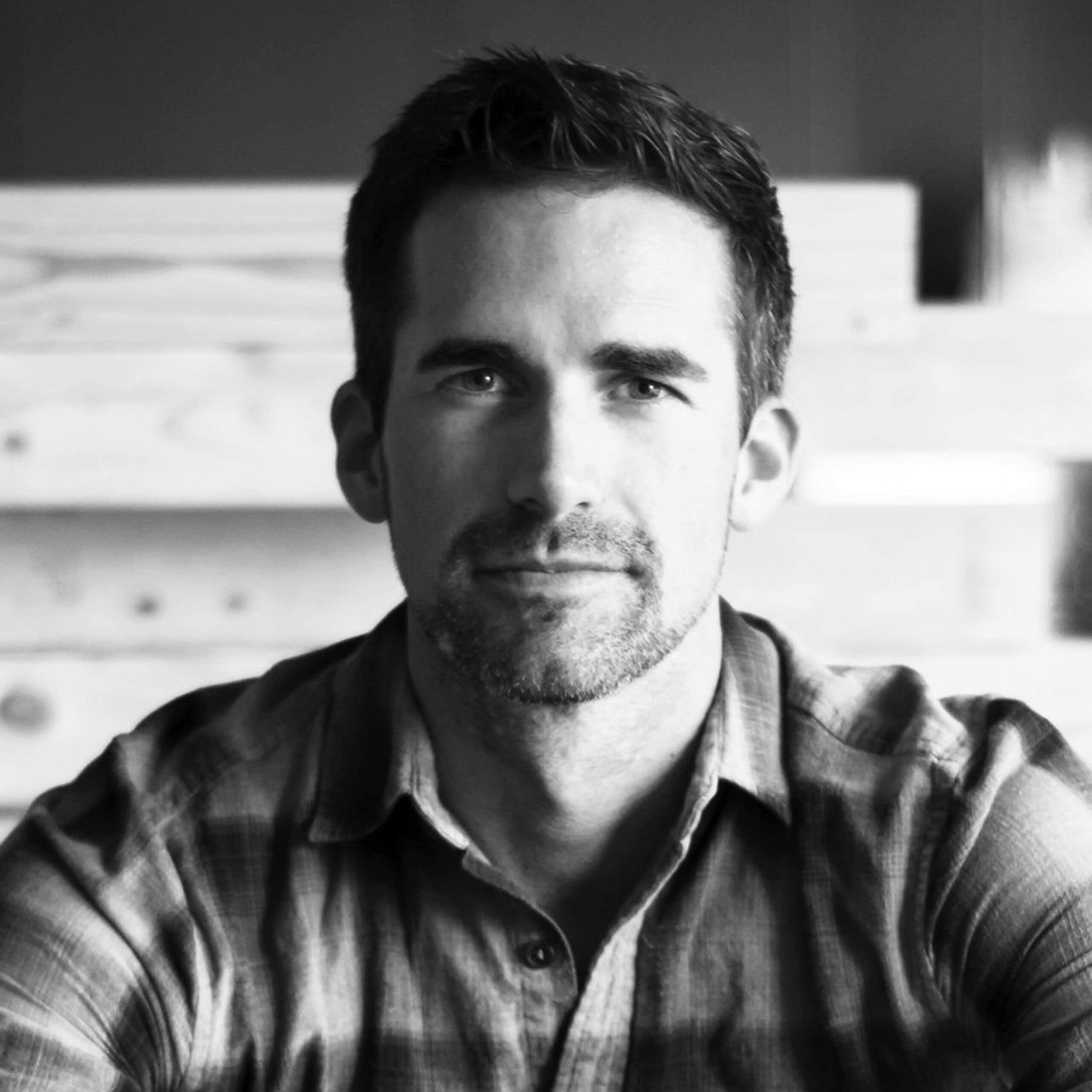
"Through every interaction, Build It Green has consistently helped connect with brilliant minds, inspiring real-world creative solutions. These collaborations have fostered lasting perspectives that positively impact the homes we live in and the communities we serve."
Tyler Pew, Principal, LMNOP Design Inc.